
The curved, pocket-conforming flask that shows up on gift tables at every converted-warehouse reception in the Midwest is a design artifact of the 1920–1933 Prohibition era. The 6 oz to 8 oz body, the shallow arc that follows a hip, the leather sleeve that muffled the clink and blurred the outline under a coat: all of it was solved a century ago by people with a very different problem to manage. The silhouette stuck because it works.
From Prohibition Pocket to Groomsmen Lineup
What changed is the material. Pewter and glass gave way to 18/8 stainless (304-grade), rolled to a wall thickness of 0.4 to 0.6 mm, with a soldered or welded seam tracking the perimeter and a screw cap held by a small hinge arm so it cannot roll under a banquet table. The shape is inherited. The engineering is not.
Order volumes settled into a predictable range too. A groomsmen lineup typically runs 5 to 9 flasks, bridal attendants 4 to 8, and couples frequently order their own pair in a contrasting finish so the two read as a set apart from the group in photographs.
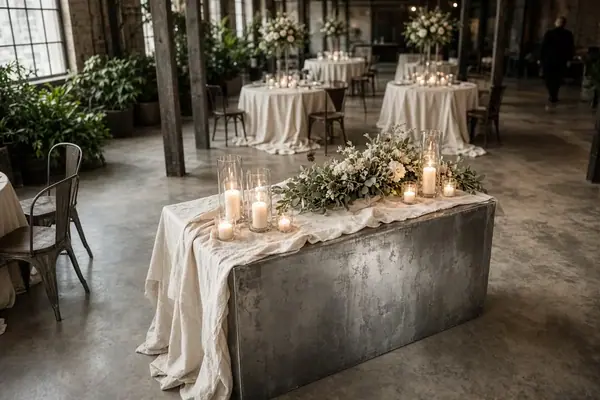
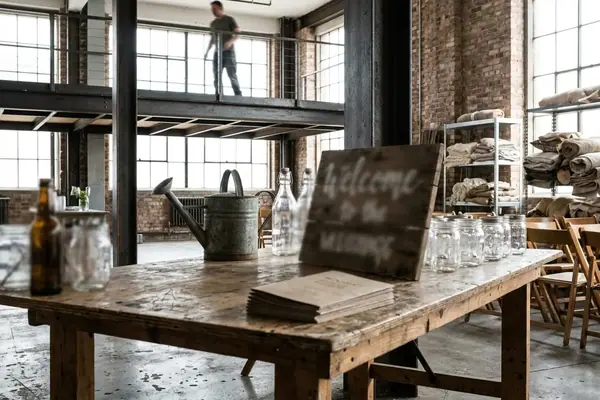
The selection criteria used here were built backwards from what survives a Midwest reception rather than forward from what photographs well on a display table. That distinction came out of working sessions with Liam Davis, a Certified Wedding Planner and senior event stylist working out of a converted factory venue, where three questions get asked of every candidate flask before anything else is discussed: does the finish behave under Edison-bulb and blackened-steel lighting, will the shell survive a pocket full of keys, and can a groomsman actually operate the cap after two hours of photos?
The Edison-Bulb Blowout Any flask finish that throws flash glare back into a group portrait under blackened-steel rafters fails the shortlist before durability is even on the table. Polished chrome is the usual offender. Test a single sample under the venue's actual lighting rig, not under showroom fluorescents.
Four Elements That Separate a Keepsake From a Table Prop
Each of the four earned its place by a different test, and only one of them is about looks.
1. A Powder-Coated Shell Over Polished Chrome
Powder coat is applied electrostatically as a dry polyester or epoxy powder, then oven-cured at roughly 375–400°F for 10 to 20 minutes. The cured film lands two to three times thicker than wet spray lacquer and reads between 5 and 15 on a 60-degree gloss meter, which is the matte range that absorbs warm bulb light instead of firing it back at a camera.
Handling sample bodies at industry showcases settled the comparison quickly: the cured polyester coat took a keyring scratch test that spray lacquer failed outright, peeling at the contact line. Anodizing holds up better than lacquer but restricts the palette and cannot reach the deep flat blacks and slate greys that sit correctly against exposed brick. Gloss-meter numbers do drift between coating houses, so a physical swatch in hand beats a spec sheet every time.
Personalization interacts with the coating. Laser engraving cuts through the powder layer and exposes bright steel underneath, producing a high-contrast monogram. UV-cured pigment ink sits on top of the coat instead, which preserves the matte plane and allows color, though it asks more of the cure quality beneath it.

2. Twenty-One Days Out
Wedding-party gifting decisions tend to land somewhere around 21 days from the ceremony. That window is not administrative tidiness. Standard laser-engraving turnaround runs 5 to 9 business days, which leaves a 10 to 14 day buffer absorbing the two things that actually go wrong: a misspelled surname on the proof and a shipping delay in the final week.
Rush engraving on a set of six compresses to 48–72 hours, but it carries a per-piece surcharge and forfeits the second proof round. The second proof is where nicknames, initials, and hyphenated names get caught.
Pigment Ink Proof Check Color work needs an extra look. Request the pigment ink proof on the actual coated body rather than on flat stock, since a matte powder surface shifts how saturated inks read once cured.
3. Capacity Math and the Pre-Chilled Batch
A 6 oz flask holds roughly two and a half generous pours. No ice goes in the body, which means a warm spirit stays warm and a diluted one stays diluted. The workaround used at industrial venues is a batch Old Fashioned or Manhattan mixed at a 4:1 spirit-to-modifier ratio and pre-chilled before funneling, so the drink arrives at the right temperature and the right strength without water ever entering the equation.
4. The Pour-to-Last-Dance Boundary
In practice, flasks are filled during the 60 to 90 minutes of pre-ceremony photos and emptied by the end of the reception. That is the full operating window, and stainless steel is built for exactly that duration.
Push past it and the chemistry turns. A spirit left standing in a flask beyond roughly 24 to 48 hours picks up a faint metallic edge; sweetened and vermouth-based cocktails degrade faster still, often showing an off flavor before the second day. These are event vessels rather than decanters. Whatever survives the last dance goes back into a bottle that night.
Vinegar, Twelve Hours Inverted, and a Flask That Still Works in 2031
The value of a personalized gift is measured in years of continued use, and the two components most likely to end that run are the powder coat and the cap gasket. Every cleaning method was narrowed by elimination against those two failure points.
Dishwashers went first. Wash temperatures of 150–160°F soften the cap gasket and can dull or chip powder coat along the seam within a handful of cycles, and alkaline detergent attacks both. Bleach and abrasive powders went next: they clear the smell, then leave residue lodged in the cap threads that no rinse fully retrieves.
What remains is unglamorous and works. Equal parts distilled white vinegar (5% acetic acid) and warm water, filled to the neck, left standing 25 to 40 minutes, shaken, then rinsed three times with plain water. Drying matters as much as cleaning: inverted, cap off, 8 to 12 hours. Capping a damp flask is what produces the stale smell owners spend years blaming on the metal.
Acetic Acid, Not Bleach A 5% acetic acid solution is strong enough to strip spirit residue from the interior and mild enough to leave the gasket and the cured coat intact. That margin is the entire reason it beats every stronger cleaner on the shelf.
Twenty-five minutes of standing vinegar and twelve hours upside down on a drying rack. That is the complete maintenance protocol separating a flask that carries anniversary toasts and a decade of tailgate seasons from one that becomes a dulled shelf ornament before the first anniversary rolls around.



Write a Comment