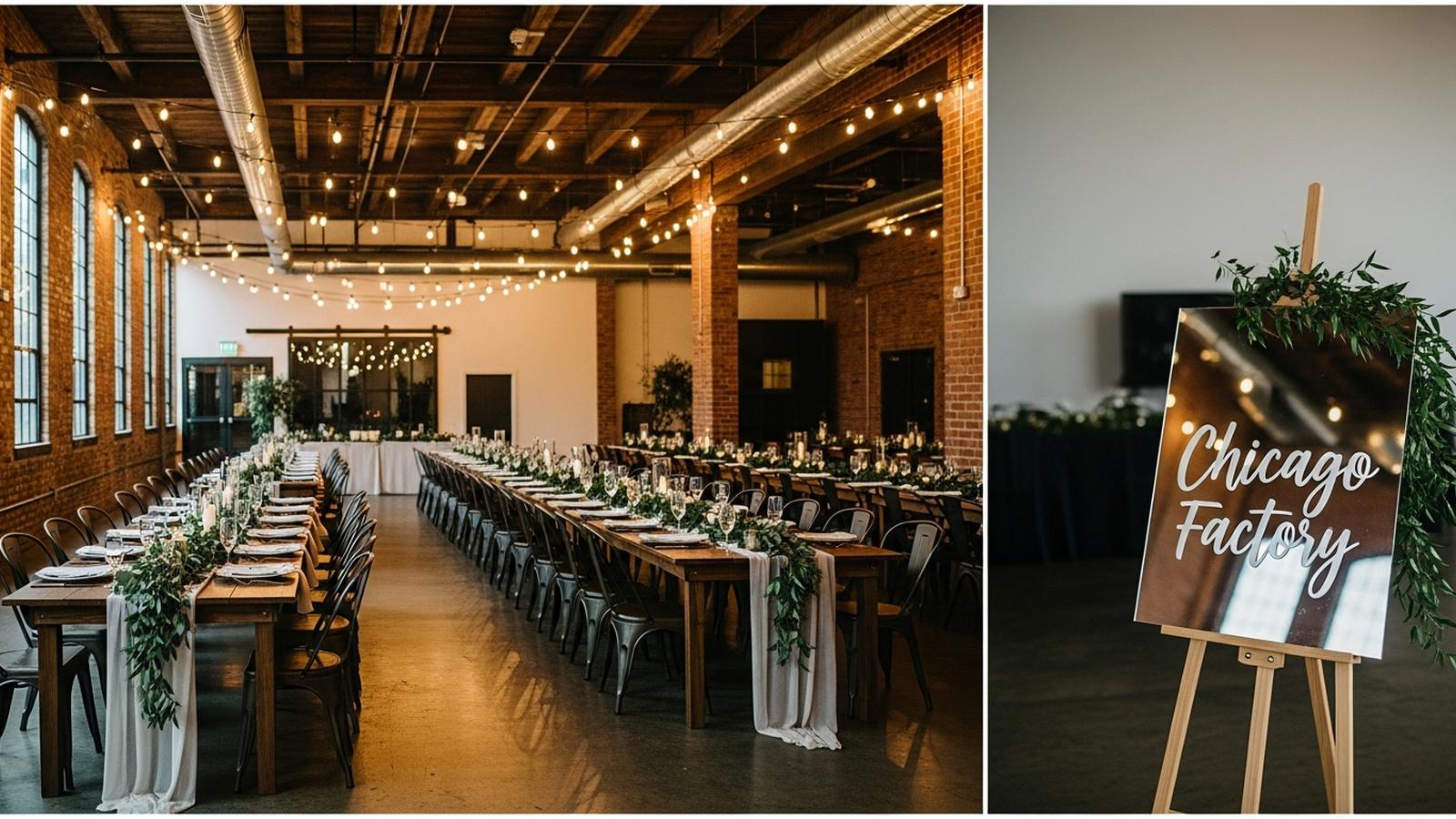
What is Chicago Factory Today?
For years, Chicago Factory was known as a premier manufacturing boutique, crafting thousands of custom laser-cut signs and toppers for couples across the country. Today, we have evolved. We are focused on making your memories beautiful in a new way—by becoming the ultimate Digital Design Archive for the modern couple.
Led by Emily Carter, a former studio owner with 12 years of industrial design experience, we decode the mechanics of decor. Whether you are planning a loft wedding in the city or looking for the perfect DIY stationery hack, we bridge the gap between professional manufacturing and personal styling.
Explore Our Archives
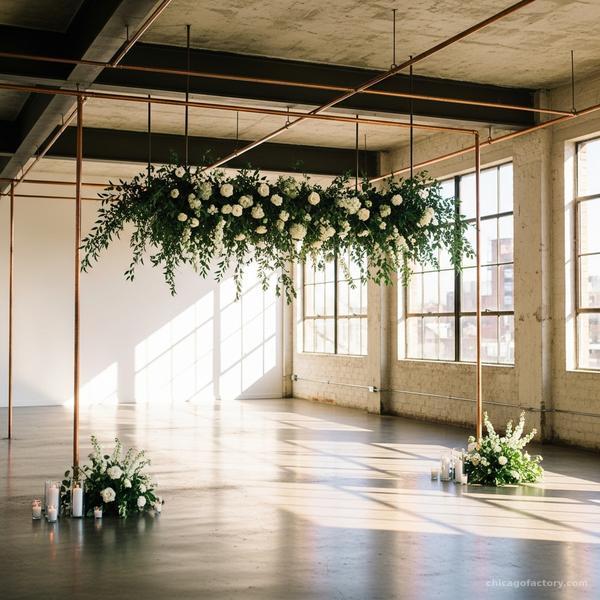
Editor's Picks: Trending Now
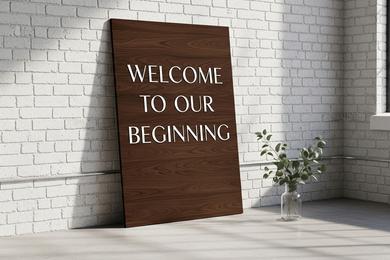
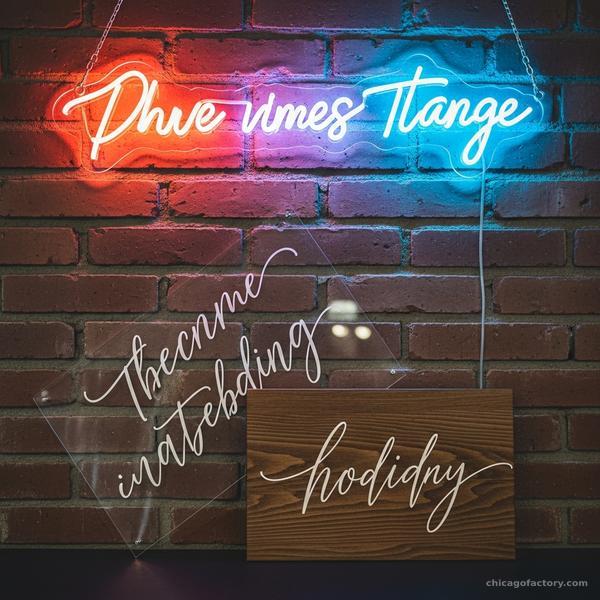
Rustic Wood Signage Styling
How to choose the right stain and typography for a warm, organic look.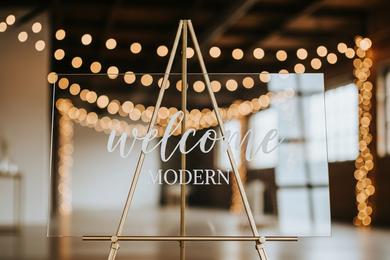
Acrylic Welcome Signs Guide
Thickness guides, easel styling, and painted-back trends explained.
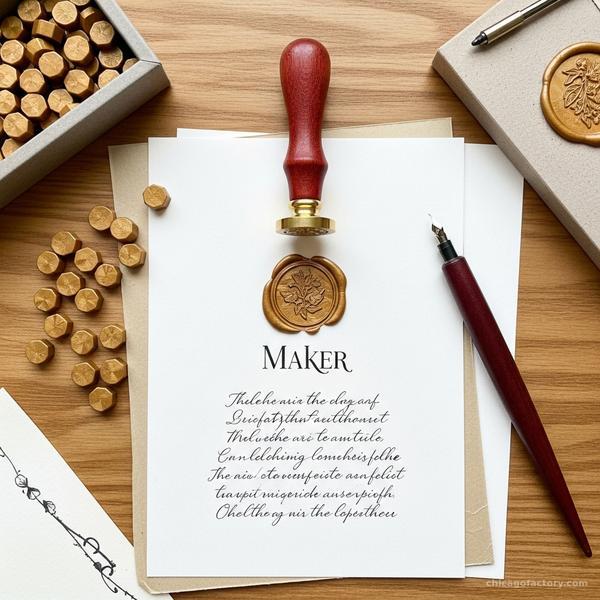
Gifts That Last
Meaningful gift ideas for milestones, from weddings to new arrivals.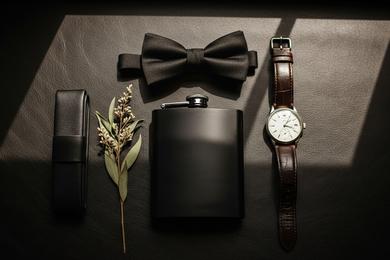
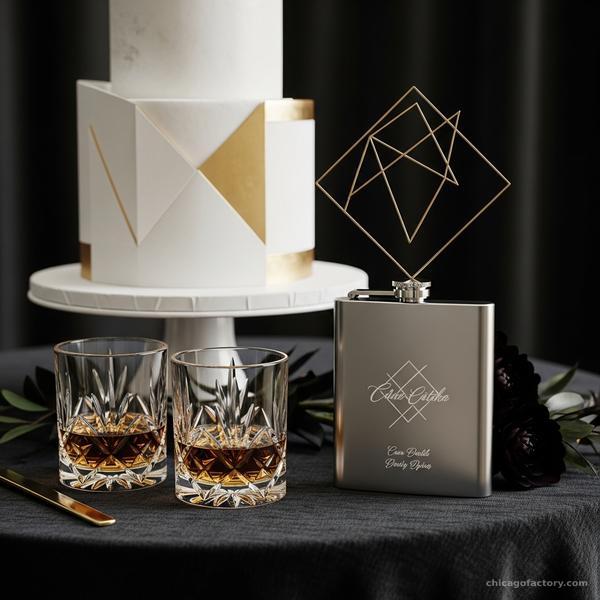
Personalized Flasks Guide
Why custom drinkware remains the gold standard for bridal party gifts.— Sarah, Real Bride
While we have shifted from selling products to sharing expertise, our commitment to quality remains unchanged. Our tutorials and reviews are built on the same foundation of craftsmanship that earned us thousands of 5-star reviews. We don't just follow trends; we explain how they are made.
Frequently Asked Questions
We have transitioned from a manufacturing studio to a digital publication. While we no longer sell physical products directly, we provide expert guides on where to source the best decor and how to style it yourself.
It is our signature aesthetic that blends the raw, edgy elements of industrial spaces (exposed brick, metal, concrete) with the softness of weddings (florals, candlelight, calligraphy).
Yes! We love seeing how our readers implement our styling tips. Please visit our Contact Page for submission guidelines.