The Philosophy of Industrial Romance
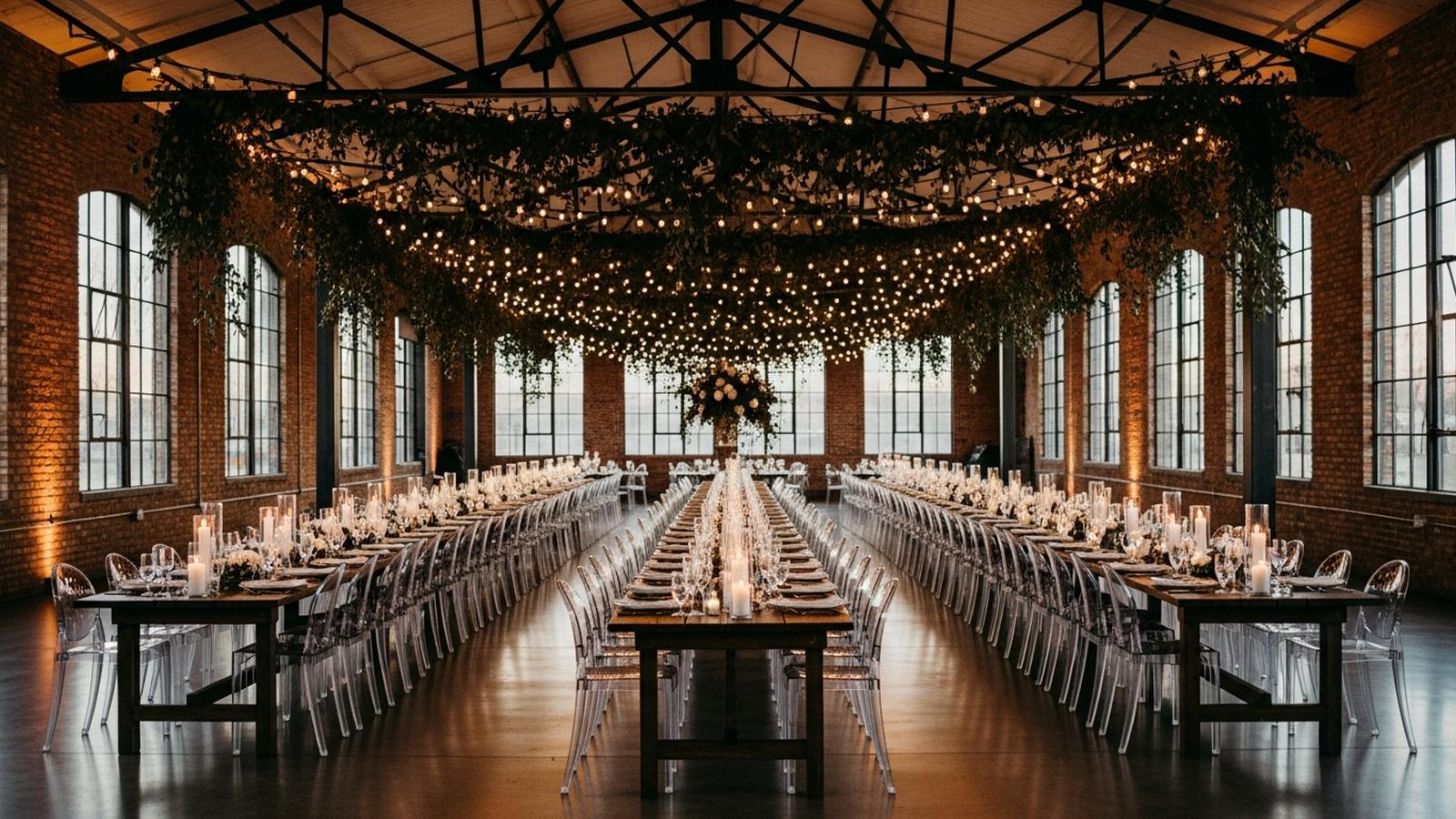
In my 12 years of designing for Chicago's most demanding industrial venues, I have developed a core belief: the most beautiful weddings don't hide their surroundings—they celebrate them. A warehouse isn't a blank canvas to be covered up. It's a collaborator.
From a designer's perspective, "Industrial Romance" is the art of juxtaposition. We pair the hard with the soft. The raw with the refined. Exposed ductwork with cascading florals. Concrete floors with velvet chairs. Steel trusses with a thousand points of candlelight. This tension—this conversation between opposites—is what creates spaces that feel both edgy and intimate.
The Four Pillars of Industrial Style
- Architecture Working with (not against) the bones of the building. Brick, concrete, steel, and glass become your design partners.
- Atmosphere Lighting that transforms cold warehouses into warm, intimate spaces. The single most important investment.
- Materiality Furniture, tableware, and decor that echo the venue's textures. Metal, wood, leather, and transparency.
- Organics Living elements that soften hard edges. Strategic greenery, florals, and candlelight that breathe life into dead materials.
Explore Our Industrial Style Guides
Venue Styling Guide
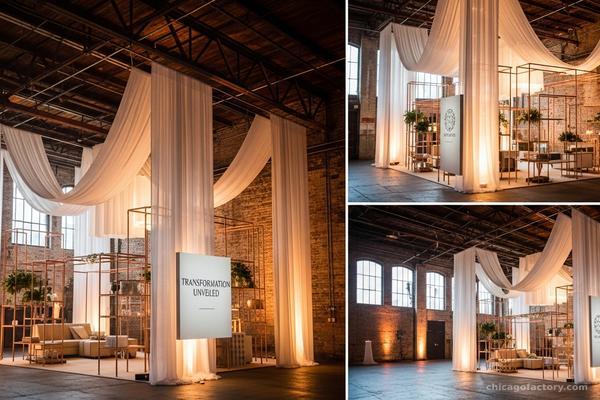
The master framework. Fabric, draping, furniture placement, and how to soften a warehouse without hiding it. Read the Guide →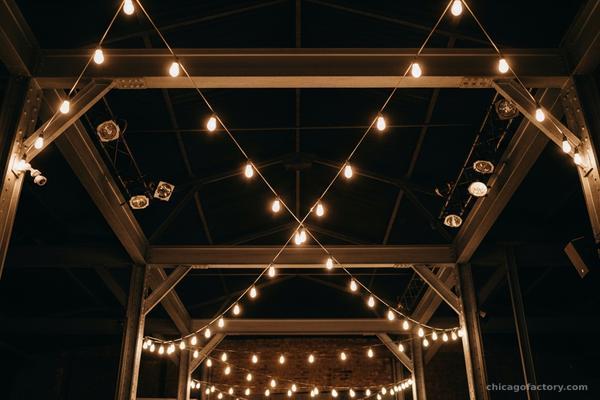
Industrial Lighting Ideas
Bistro lights, Edison bulbs, uplighting, and how to create a "false ceiling" of warmth in cavernous spaces. Read the Guide →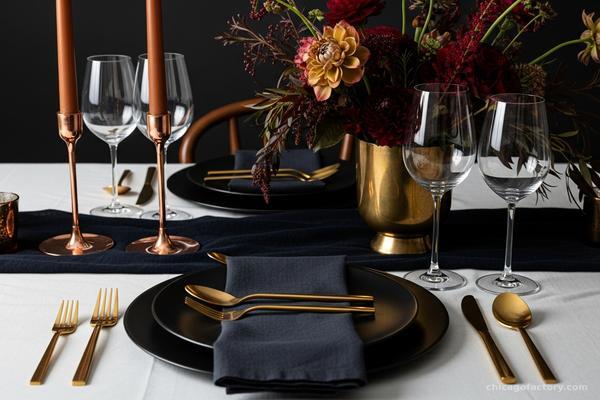
Metallic Color Palettes
Gold, copper, brass, and black. How to mix metals intentionally and coordinate finishes across your decor. Read the Guide →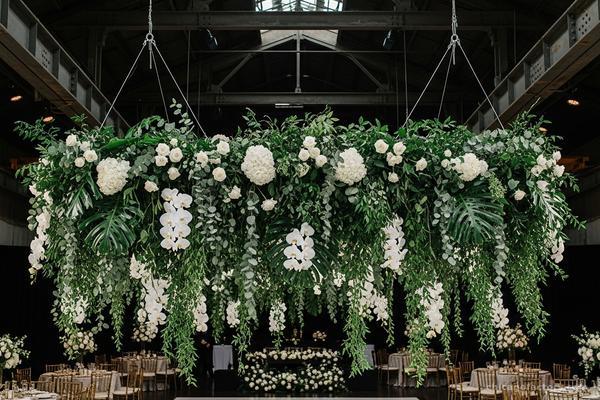
Hanging Floral Installations
Suspended greenery, flower clouds, and installations that draw the eye upward to fill vertical space. Read the Guide →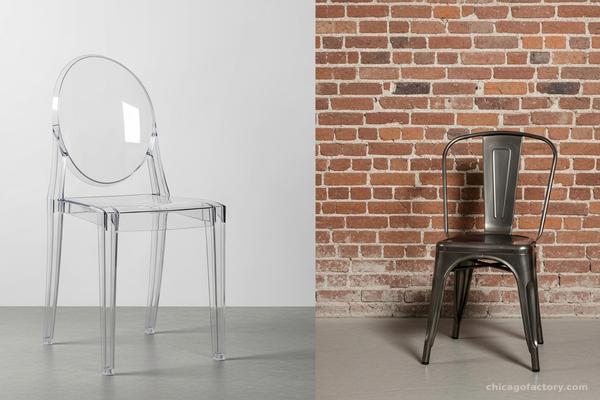
Ghost Chairs vs. Tolix
The two titans of industrial seating compared. Transparency vs. texture, and when to choose each. Read the Guide →
Minimalist Table Settings
Tablecloth-free styling. Slate chargers, concrete vessels, and raw wood surfaces done right. Read the Guide →Understanding Industrial Architecture
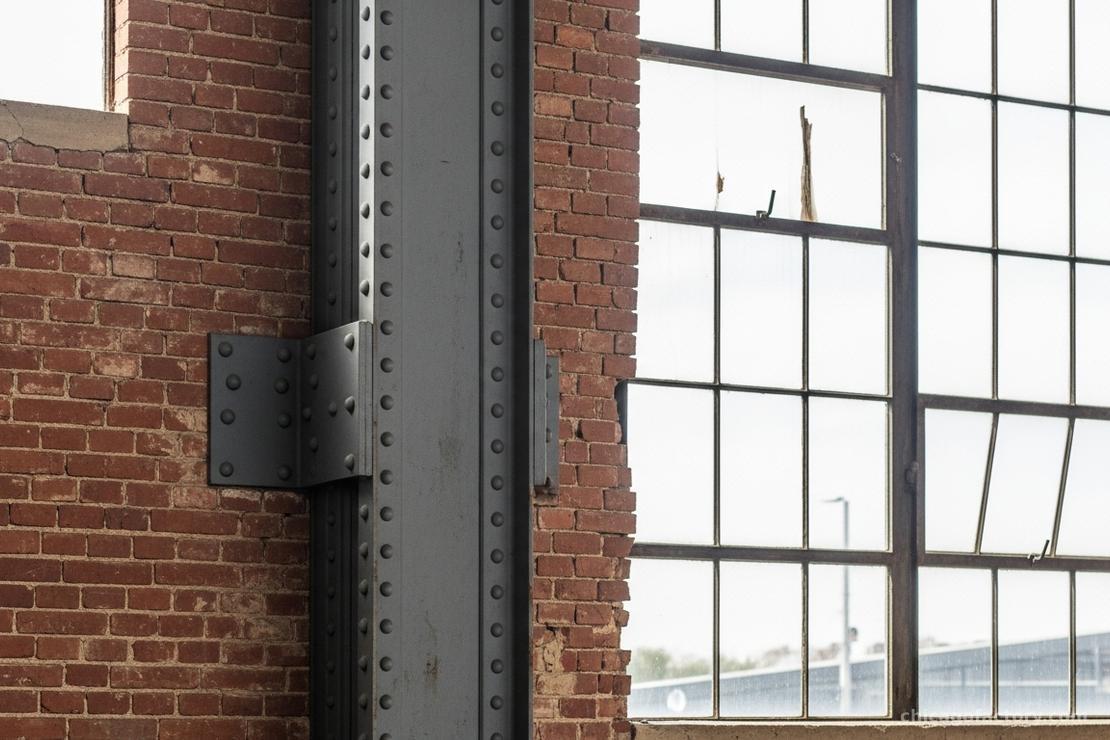
Before you can style an industrial venue, you need to understand what you're working with. These buildings weren't designed for weddings—they were designed for manufacturing, storage, or industry. That history is what gives them character.
The Key Architectural Elements
- Brick — The signature of industrial romance. Red brick is warm; whitewashed brick is modern; painted black brick is dramatic. Work with what you have.
- Steel & Iron — Trusses, beams, columns. These are your hanging points for installations and your visual rhythm.
- Concrete — Floors, walls, counters. Cool grey tones that need warming through textiles and lighting.
- Glass — Large factory windows flood daylight but create challenges at night. Plan for both scenarios.
- Ductwork & Pipes — Exposed HVAC and plumbing. Don't try to hide them—incorporate them into your design or leave them as industrial texture.
The structural integrity of your design depends on understanding these elements. A venue with 20-foot ceilings requires different strategies than a low-ceiling loft. A space with massive windows needs different lighting than a windowless warehouse.
The Lighting Imperative
If I could give one piece of advice to every couple booking an industrial venue, it would be this: budget more for lighting than you think you need. Lighting is the single most transformative element in a warehouse wedding.
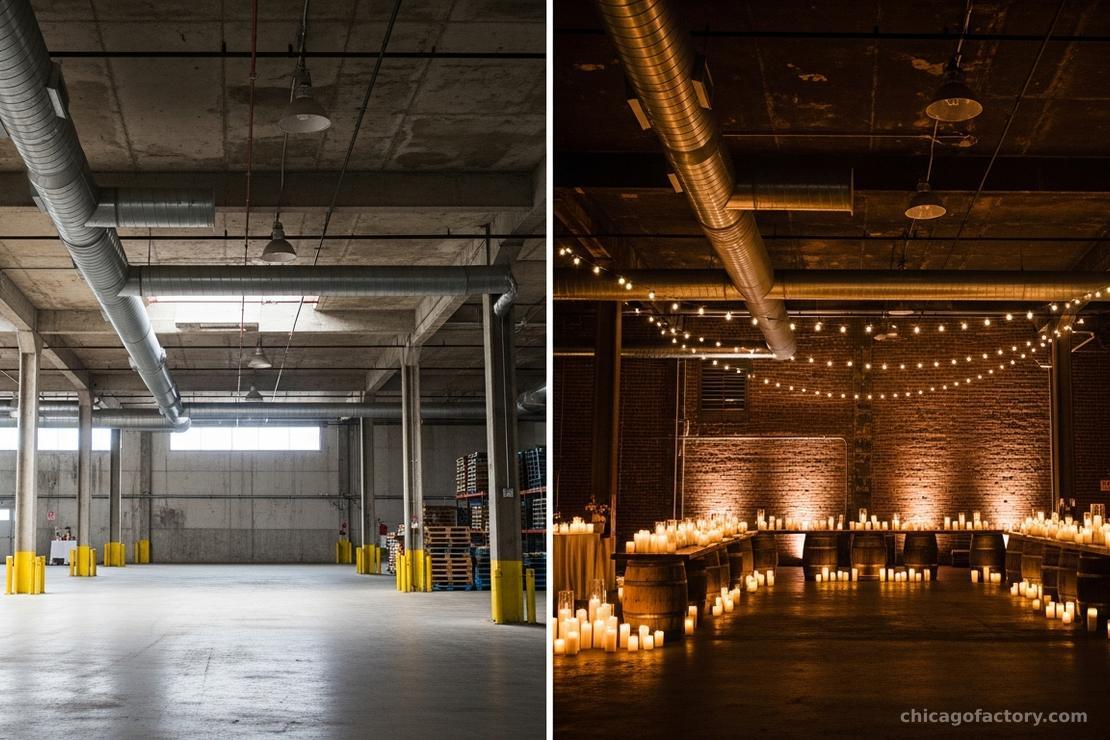
Industrial spaces are designed for function, not ambiance. Fluorescent tubes, harsh overhead fixtures, or no lighting at all—these are your starting points. Your job is to create warmth, intimacy, and atmosphere in a space that was built to manufacture car parts.
The Lighting Hierarchy
- Canopy Lighting: Bistro lights, fairy lights, or Edison bulbs strung in a grid pattern create a "false ceiling" that visually lowers cavernous spaces and adds thousands of warm points of light.
- Feature Lighting: Statement pieces like chandeliers, industrial pendants, or custom installations that anchor specific zones (dance floor, sweetheart table, bar).
- Accent Lighting: Uplighting on brick walls, pin spots on centerpieces, and candles everywhere. These create depth and drama.
- Functional Lighting: Don't forget that guests need to read menus and find their seats. Not everything can be moody.
For detailed tutorials on implementing each layer, explore our Industrial Lighting Ideas Guide.
Filling Vertical Space
The biggest mistake I see in warehouse weddings? Forgetting to look up. When you have 20 or 30 feet of vertical space above your guests' heads, a room can feel empty no matter how beautiful the tables are.
This is where florals earn their place in the budget. Strategic hanging installations—whether it's a single dramatic cloud over the dance floor or a linear garland tracing the length of the head table—draw the eye upward and make the space feel intentional from floor to ceiling.
Vertical Design Strategies
- Hanging Florals: Suspended installations in greenery, dried flowers, or fresh blooms. The drama justifies the investment.
- Fabric Draping: Sheer chiffon panels that soften trusses and create intimate "rooms" within the larger space.
- Lighting Installations: Bulb clusters, geometric pendants, or fairy light curtains that fill the void with warmth.
- Tall Centerpieces: When ceiling installations aren't possible, height at the table level helps fill visual gaps.
For inspiration on suspended designs, our Hanging Floral Installations Guide covers everything from garden-style garlands to modern geometric structures.
Frequently Asked Questions
It depends on your approach. You'll likely spend more on lighting (critical in these spaces) but potentially less on florals and linens (the raw aesthetic allows for restraint). Many couples find the costs balance out, especially when you skip tablecloths and elaborate centerpieces in favor of candles and greenery.
Three strategies: lighting (warm-toned bulbs, thousands of candles), textiles (velvet tablecloths or runners, throw blankets on chairs), and ask your venue about HVAC capabilities. Portable heaters are often necessary. The visual warmth of candlelight does psychological work even when the air is cool.
Absolutely. "Industrial Romance" is an aesthetic, not a building type. You can bring industrial elements into a traditional ballroom with the right furniture, metallic accents, and geometric decor. Copper stands, matte black flatware, and concrete vessels translate the style anywhere.
Greenery-forward arrangements work beautifully—eucalyptus, olive branches, ferns. For blooms, choose architectural shapes: proteas, dahlias, ranunculus, and anemones. Avoid overly sweet flowers like peonies and garden roses unless you're deliberately creating contrast. Dried elements (pampas grass, dried palms) also complement the raw aesthetic.
Ready to Design Your Industrial Wedding?
Every warehouse tells a different story. Every loft has unique bones. The principles in these guides will help you work with any industrial space, but the specific solutions depend on your venue's architecture, your vision, and your budget.
Have questions about a specific venue or design challenge? Reach out through our Contact Page or learn more about Emily and the team at Our Story.