Lighting the Factory: Edison Bulbs, Bistros, and Neons
Creating Atmosphere in the Void
In my 12 years of designing industrial events, I have learned one undeniable truth: Lighting is 90% of the design. When you walk into a raw warehouse space with 25-foot ceilings and concrete floors, it is essentially a black box. Without proper illumination, it feels cold and cavernous.
From a designer's perspective, lighting does more than just help your guests see their dinner. It serves a structural purpose. It defines the "walls" and "ceilings" of your event space, bringing the scale down from "airplane hangar" to "intimate dinner party." It is the warmth that fuels the Industrial Romance aesthetic.
The "False Ceiling": Bistro Lights
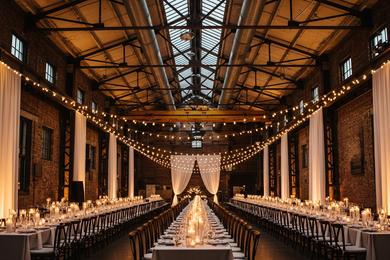
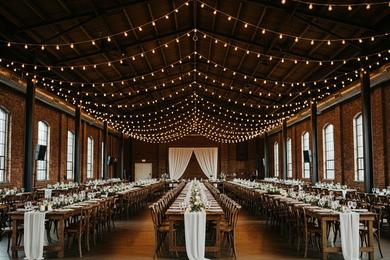
The most effective way to manage the scale of a loft is to create a false ceiling using string lights (often called bistro or café lights). By stringing them across the width of the room at about 10-12 feet high, you create a visual cap that makes the space feel cozy.
Pattern Matters:
- The Zig-Zag: Classic and energetic. It covers the most ground efficiently.
- Parallel Lines: Cleaner and more modern. This works best in narrow spaces like long gallery halls.
- The X Pattern: Good for centering the room, perhaps over the dance floor.
The Filament Glow: Edison Bulbs
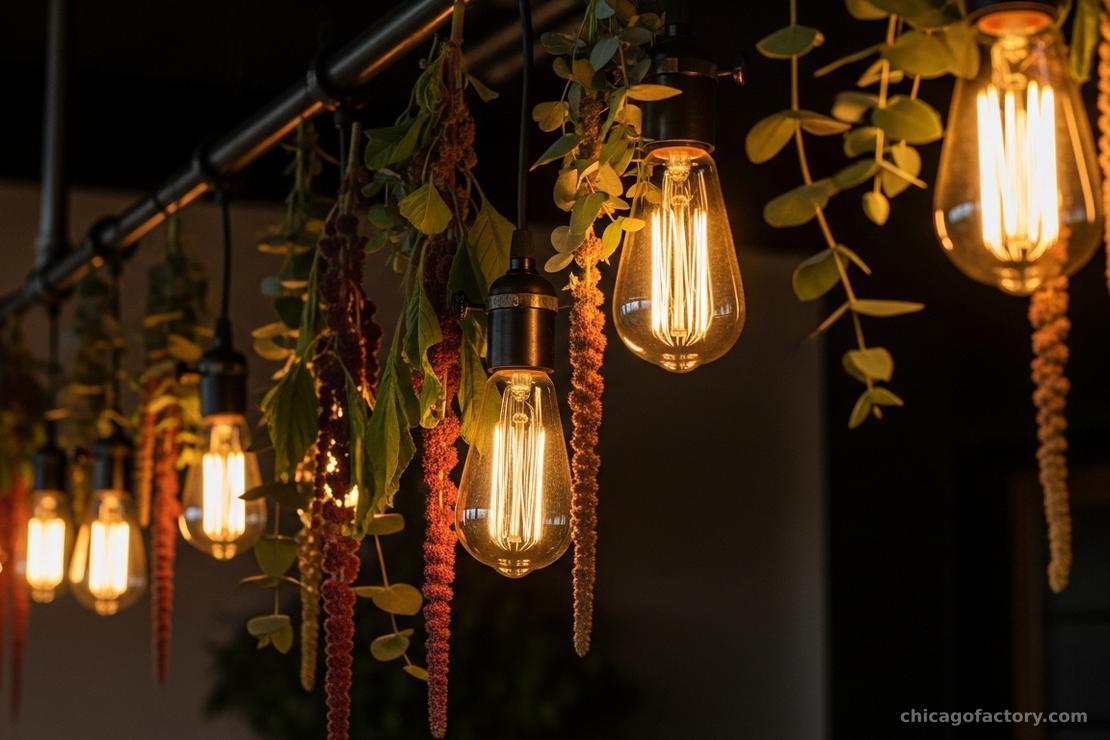
If bistro lights are the canvas, Edison bulbs are the art. These exposed filament bulbs cast a very warm, amber light (usually around 2200K color temperature) that mimics candlelight.
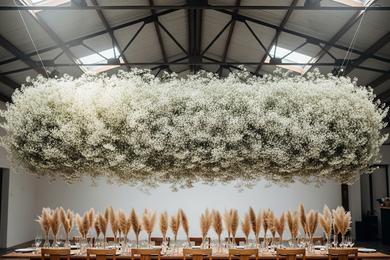
We often cluster these bulbs at varying heights to create chandeliers or installation pieces. Hanging them directly over head tables or incorporating them into Hanging Floral Installations creates a stunning focal point. The mix of organic greenery and industrial glass is a hallmark of our style.
Modern Edge: Neon
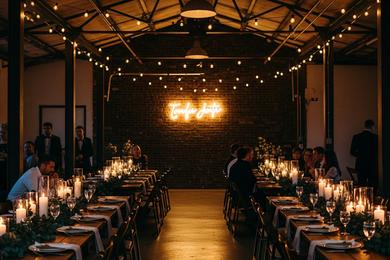
To keep the look from becoming too "rustic vintage," you need a modern element. Enter: Neon. The sharp, vibrant glow of a neon sign cuts through the soft ambient light of the bulbs, creating a necessary focal point.
Whether it's a custom quote behind the sweetheart table or a "Bar" sign, neon anchors the room visually. As we discuss in our technical guide to Custom Neon Decor, the placement is key—you want it against a dark texture like brick or boxwood to make the color pop.
The Contrast: Chandeliers in the Rough
One of my favorite styling tricks is the "high-low" mix. Installing an ornate crystal chandelier in a crumbling brick warehouse creates immediate tension and beauty.
This juxtaposition works because the sparkle of the crystal reflects the architectural grit. It’s a concept we touch on in our Venue Styling Guide—using luxury elements to soften the industrial edge.
Frequently Asked Questions
No. While old incandescent bulbs used to get hot, most professional lighting companies now use LED bulbs that mimic the warm look without the heat output. Do not rely on them for heating a drafty venue.
I strongly advise against it. Hanging lights 20 feet in the air requires scissor lifts and rigging knowledge. For the safety of your guests, hire a professional lighting/production company that carries insurance.
A dimmer pack allows you to control the brightness of your lights. This is non-negotiable. You want the lights bright during dinner setup, dimmed to 70% for the meal, and down to 30% for dancing. Ensure your vendor includes dimmers in the quote.
About the Author