The Seating Debate: Ghost Chairs vs. Industrial Metal
More Than Just a Place to Sit
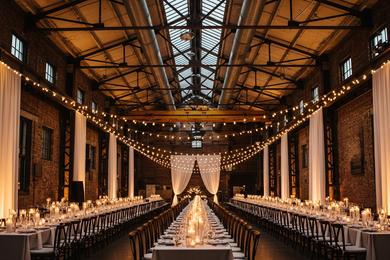
In my 12 years of designing layouts for Chicago's most demanding venues, I have learned that chairs are not just functional furniture. They are the single largest "texture" in your reception room. When you look out across a dining hall, you don't see the table linens first—you see 150 chair backs.
For an industrial wedding, the choice almost always comes down to two iconic designs: the transparent Philippe Starck "Ghost" chair and the rugged Xavier Pauchard "Tolix" (or Marais A) chair. Both are design classics, but they serve very different structural and aesthetic purposes in a loft environment.
The Contender: The Ghost Chair
The Vibe: Modern, ethereal, high-fashion.
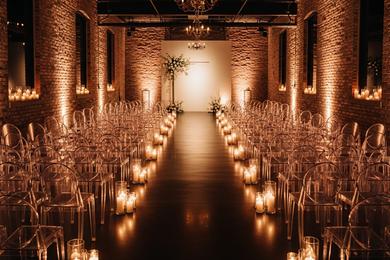
The Design Principle: The Louis Ghost chair is a postmodern triumph because it takes a classic baroque silhouette and renders it in injection-molded polycarbonate.
From a designer's perspective, the Ghost chair is the ultimate tool for small or visually cluttered spaces. Because they are transparent, they possess zero "visual weight." They allow the eye to travel straight through them to the architecture of the room—the exposed brick, the concrete floors, and your Venue Styling. If you spent a fortune on your venue, these chairs ensure you actually see it.
When to Choose Ghost:
- Your venue is small or has low ceilings.
- You want to emphasize a modern, "clean" aesthetic.
- You are using a lot of candlelight (the reflection on the acrylic arms is stunning).
The Contender: The Tolix (Marais A) Chair
The Vibe: Rugged, authentic, vintage industrial.
The Design Principle: Created in France in 1934, this galvanized steel chair was originally designed for factories and battleships. It is industrial history.
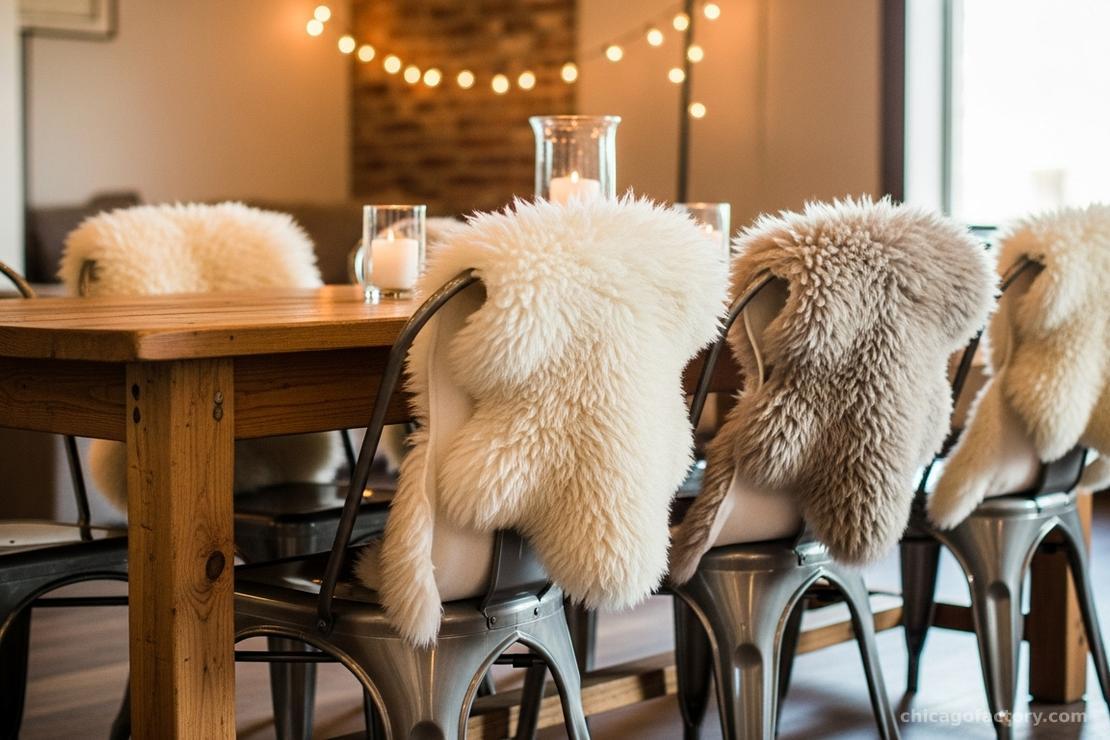
Unlike the Ghost chair, the Tolix adds texture and color. A gunmetal or copper finish brings a raw, masculine energy to the table. It grounds the space. If you are building a palette based on our Metallic Color Palettes, a copper Tolix chair can be the anchor that ties your flatware and lighting together.
When to Choose Tolix:
- You have a large, cavernous space that needs "filling."
- You are using farmhouse tables (wood-on-metal is a classic combo).
- You want a pop of color (they come in every powder-coated shade imaginable).
Comfort & Durability
We have to talk about the guest experience.
Ghost Chairs: Generally more comfortable due to the armrests and the slight flex of the polycarbonate back. However, they can scratch easily, so inspect your rental company's stock before booking.
Tolix Chairs: These are metal. They are cold to the touch and hard. If you choose these for a winter wedding in a drafty warehouse, consider renting seat pads or faux fur throws to soften the experience.
The Verdict
There is no wrong answer, only the right answer for your specific vibe.
Choose Ghost if you want the decor to float and the architecture to shine.
Choose Tolix if you want to double down on the gritty, historical factory aesthetic.
Whichever you choose, ensure the table setting complements the chair. A Ghost chair demands a sleek Minimalist Table Setting, while a Tolix chair can handle heavier pottery and linens.
Frequently Asked Questions
Yes. Despite looking like glass, high-quality polycarbonate chairs are incredibly durable and shatter-resistant. They can typically support up to 250-300 lbs easily.
Yes! That was their original design purpose for cafes. This makes them excellent for venues where you need to flip the room from ceremony to reception quickly.
Both are suitable for outdoors. Tolix chairs usually have holes in the seat for drainage. Ghost chairs are waterproof, but be wary of placing them on soft grass—the thin legs can sink into the ground.
About the Author