Styling the Stand: How to Display Your Wedding Signs
The Foundation of Design
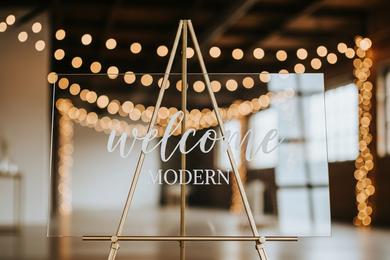
In my 12 years of designing industrial decor, I have seen couples spend months perfecting the typography of their welcome sign, only to display it on a flimsy $15 aluminum tripod. From a designer's perspective, the "hardware" holding your signage is just as critical as the sign itself. It is the frame that presents the art.
A display stand does two things: it anchors the aesthetic and ensures structural safety. In a raw venue like a converted warehouse, the juxtaposition of a delicate acrylic sign against a rugged metal frame embodies the "Industrial Romance" style we champion here at Chicago Factory.
The Industrial Stand: Copper & Pipe
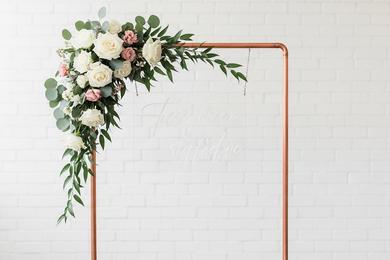
For modern weddings, the traditional tripod easel often feels out of place. We recommend architectural stands—frames built from copper or black iron piping.
These structures offer a clean, rectangular silhouette that mimics the lines of the venue's windows or beams. Because the sign hangs from the top bar (usually via leather straps or fishing line), it sways gently rather than resting rigidly. This is particularly effective for Acrylic Welcome Signs, as the floating effect emphasizes the transparency of the material.
The Classic Easel: Wood & Iron
If your venue leans more warm and rustic, a wooden easel is appropriate, but weight capacity is key.
- The Stability Test: Look for an "A-frame" easel with a back leg chain. Avoid tripod easels with telescoping legs; they are designed for lightweight canvases, not heavy event decor.
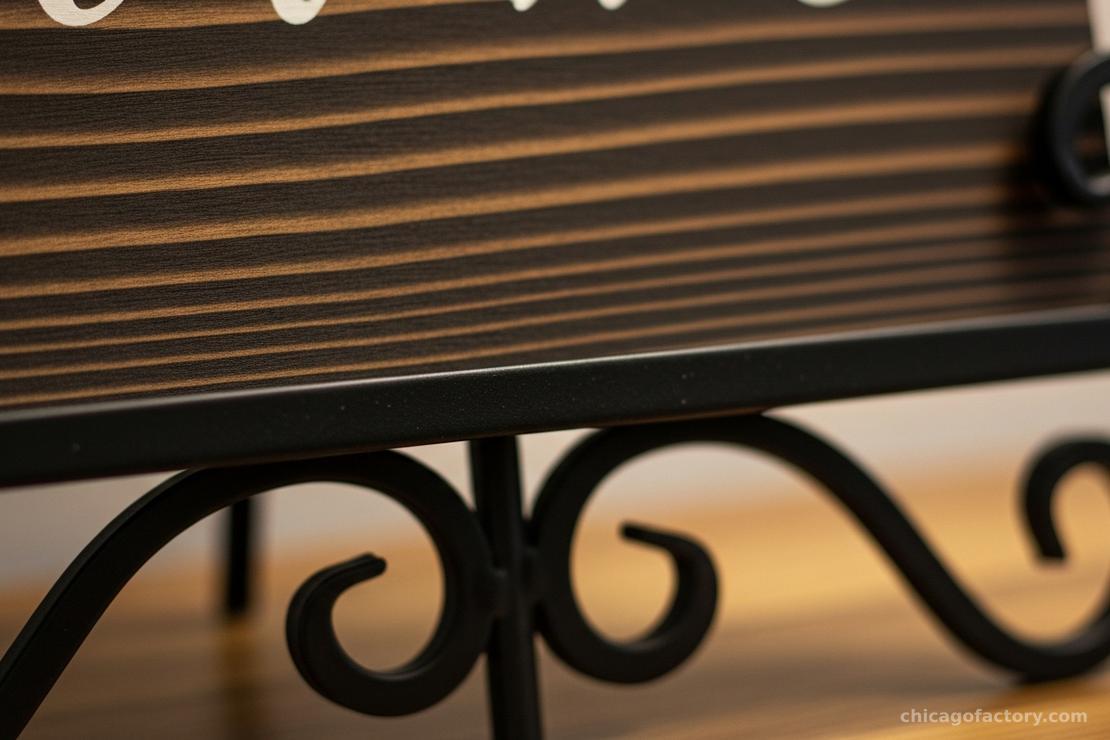
- Material Matching: If you are using Rustic Wood Signage, pair it with a black iron easel to create contrast. Wood-on-wood can look heavy and unintentional.
Styling the Base
The base of the stand is often the most overlooked area. Visually, a stand can look "leggy" or bare. To ground the look, we borrow techniques from our Venue Styling Guide.
Floral Asymmetry: Don't cover the whole stand. Attach a floral swag to the top left corner and a larger arrangement at the bottom right base. This draws the eye diagonally across your text.
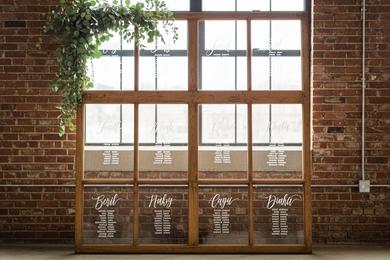
Lighting: For evening receptions, place varying heights of pillar candles in cylinder vases at the foot of the easel. This uplighting catches the metallic glint of copper stands and ensures your guests can read the seating assignments after sunset.
Safety & Mechanics
As a manufacturer, I must stress the importance of safety. A 24x36" acrylic sheet acts like a sail in the wind. If your ceremony is outdoors:
- Sandbags: Use small sandbags draped over the back leg of the easel. You can hide them with moss or greenery.
- Wide Stance: Open the legs of the easel as wide as the chain allows to lower the center of gravity.
- Secure the Sign: Don't just rest the sign on the ledge. Use double-sided heavy-duty mounting tape or command strips to adhere the bottom of the sign to the easel ledge to prevent it from sliding off if bumped.
Frequently Asked Questions
Absolutely. Most floral designers and rental companies stock copper pipe stands and wrought iron easels. We highly recommend renting over buying, as storing a 5-foot rigid metal frame after the wedding is logistically difficult.
Your sign should never be wider than the legs of the easel. For an 18x24" sign, a standard 60-inch tall easel works well. Ensure the "ledge" (the part holding the sign) is adjustable so you can raise the sign to eye level.
You need pre-drilled holes in your sign. Use "S" hooks, leather straps, or invisible fishing line. Ensure the holes are drilled at least 1 inch from the top edge of the acrylic to prevent cracking under the hanging weight.
About the Author